
Knee pain (Gonalgia) Recommended exercises.
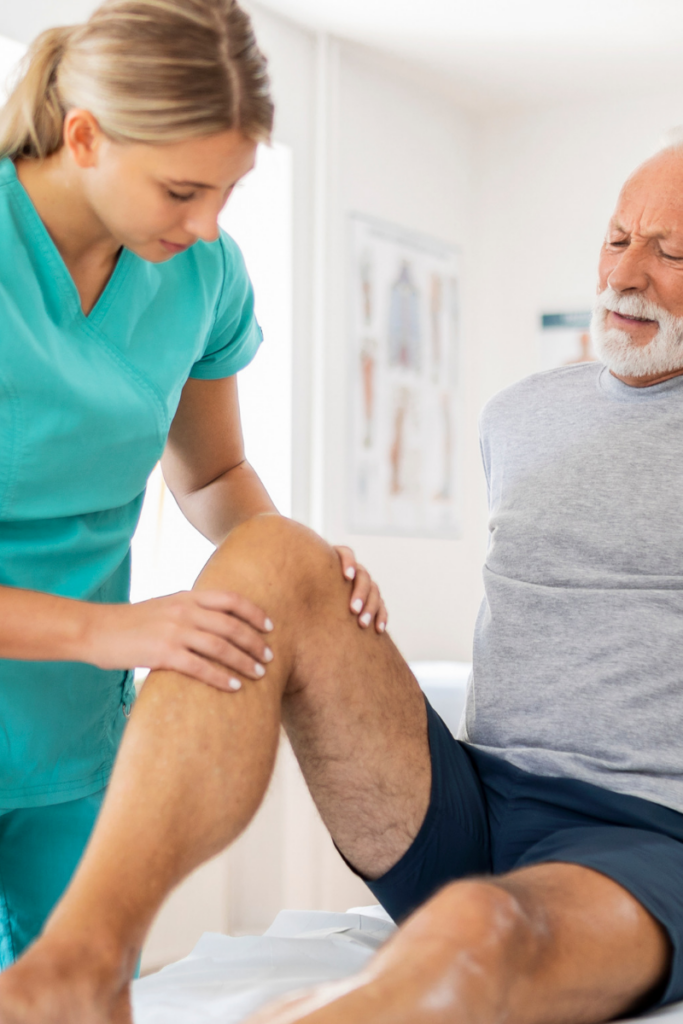
Gonalgia. Knee pain is a common complaint that affects people of all ages and can significantly impair mobility and quality of life. It is often caused by a variety of conditions, including osteoarthritis and ligament injuries, among others. Incorporating specific exercises can be crucial to managing knee pain, facilitating rehabilitation, and preventing future injuries. A […]
Fibromyalgia

Fibromyalgia is a chronic condition characterized by widespread musculoskeletal pain accompanied by fatigue, sleep problems, memory issues, and mood disturbances. It is believed to amplify pain sensations by affecting how the brain processes pain signals. Exercise is often recommended as part of the fibromyalgia treatment strategy, and here we explore some specific exercises supported […]
Diabetic neuropathic pain

Diabetic Neuropathy Pain Neuropathic pain associated with diabetic neuropathy can be debilitating and significantly affect an individual’s quality of life. Integrating specific exercises into daily routines has been shown to relieve symptoms and improve physical function in people with this condition. This section details several exercises supported by recent scientific studies that are effective in […]
Hip Pain (Coxalgia)

Hip Pain (Coxalgia) Hip pain, medically known as coxalgia, is a condition that affects a significant number of people worldwide. This discomfort can arise from a variety of causes and has the potential to negatively impact quality of life, limiting mobility and the ability to perform daily activities. In this blog post, we’ll thoroughly explore […]
Fibromyalgia (Acute Flares)

Acute fibromyalgia flares, also known as exacerbations or crises, are periods when symptoms of the disease significantly intensify. These flares can vary in duration, from a few days to several weeks, and are often unpredictable, adding an additional layer of difficulty for those suffering from this condition. During an acute flare, patients experience increased intensity […]
Diagnostic Criteria for Fibromyalgia

Description of Current Criteria The diagnosis of fibromyalgia has evolved considerably since it was formally recognized by the American College of Rheumatology (ACR) in 1990. Currently, diagnostic criteria focus on the evaluation of two key components: the Widespread Pain Index (WPI) and the Symptom Severity Scale (SSS). The Widespread Pain Index (WPI) assesses the distribution […]
Fibromyalgia, non-pharmacological treatments

Non-pharmacological interventions are crucial for the management of fibromyalgia: Innovations and future directions in fibromyalgia treatment Fibromyalgia research is constantly evolving, and new therapies are being explored to improve management of this condition:
Lifestyle Changes and Chronic Pelvic Pain (CPP)

Lifestyle Changes and Chronic Pelvic Pain (CPP) Lifestyle adaptations are essential for managing CPD. Self-care practices Self-care practices are vital to managing CPP. They involve a series of techniques and activities that patients can perform on their own to manage their pain and improve their quality of life: Patient education Patient education is an essential […]
Diagnosis of Chronic Pelvic Pain (CPP)

Diagnosing chronic pelvic pain (CPP) is a complex task that requires a comprehensive, multidisciplinary approach. Healthcare professionals must combine clinical evaluation with imaging tests and specific examinations to obtain a complete picture of each patient’s condition. Clinical evaluation: Clinical evaluation is the first step in the diagnosis of CPP. It consists of a detailed history […]
Current pharmacological treatments for fibromyalgia

Pharmacological treatments for fibromyalgia have evolved in recent years, focusing on medications that modulate pain and improve patients’ quality of life. The most commonly used medications include: